
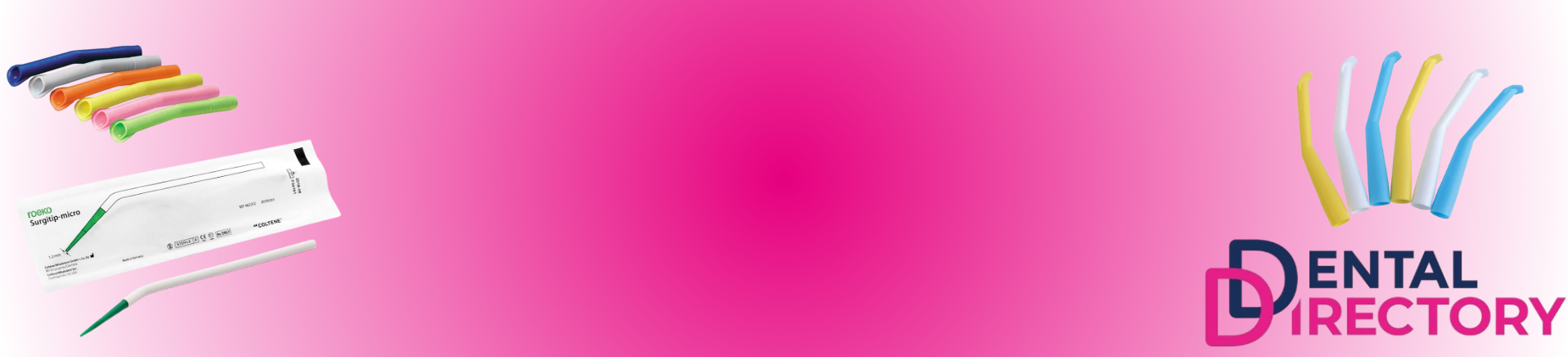
Also known as aspirator tubes, these tips are instrumental in the safe and hygienic removal of saliva, blood, or other debris from a patient’s mouth or field of operation. This dryness allows for many dental procedures to continue unimpeded.
Used alongside dental suction units or dental aspirators, these tips are typically a consumable dental product, designed to be used once and disposed of quickly. But how to find the best aspirator tip for your practice? How to weigh up the benefits of re-usable aspirator tubes vs single-use tips? How to keep your patient comfortable without sacrificing moisture control? Are all aspirator tips compatible with high volume evacuators (HVE) and saliva ejectors? We’ll be covering all these topics, and more today in our brief blog post on this fascinating consumable.
The Types of Aspirator Tubes
Aspirator tips come in all shapes and sizes and suit a number of different clinical needs. This list is far from inclusive, but some aspirator tips you might find include -
- High-Volume Evacuator (HVE) Tubes – These are used by High-volume Evacuators. Typically used in procedures generating aerosols, debris, and large fluid volumes.
- Saliva Ejector Tubes – One of the most commonly-used aspirator tubes. These tubes are often used in the removal of fluid in lower volumes and in removal in non-surgical treatments.
- Surgical Aspirator Tubes – Tubes which have much narrower tips than standard saliva ejector tubes, this helps to provide precise and powerful suction during surgical procedures.
- Ventilated vs. Non-Ventilated – Some aspirator tubes have been punctured with ventilation holes, this allows you to control the suction you provide. From low-level suction (hole exposed) to high-level suction (holes covered).
- Disposable vs. Reusable – Despite being commonly considered a consumable, there are re-usable aspirator tubes. Re-usable aspirator tubes need to be autoclaved and cleaned between use, and may cost more up front, however their re-usability may help you to save money as opposed to buying additional single-use packs. Single-use packs are convenient and easy-to-use but will be more expensive in the long run.
Notable Aspirator tube Materials & Features
- Plastic – Plastic is the typical material for Aspirator tubes, being lightweight, tough, and disposable. Being disposable is particularly important in single-use aspirator tubes, as they need to be disposed of after use to reduce cross-contamination risks.
- Metal/Stainless Steel – Much tougher than plastic, metal/stainless steel aspirator tubes are reusable, durable, and cost-effective long-term. However, practitioners should take extra care to ensure that the edges and bevels of their metal aspirator tips are rounded, so as to not damage the soft tissues of the patient’s mouth during use.
- Specialty Coatings – There are anti-slip and anti-glare coatings for aspirator tips. Anti-slip helps you to hold the tip firmly when necessary, and the anti-glare coatings are very useful if you’re trying to look into the mouth without the risk of bright light reflecting off your aspirator tip and impeding your vision.
It bears repeating – just like metal straws, you should be very careful with metal aspirator tips, they can be sharp and they can harm the inside of a patient’s mouth if they are not handled with care.
Other aspirator tips may be colour-coded for procedures.
- Ergonomic Shaping – Some aspirator tips have been shaped ergonomically, for ease of use and for patient comfort. This can include curved tips, easy-grips, and rounded shapes so as to not damage the patient’s soft mouth tissues.
- Length & Diameter Variations – There are variations on length and diameter, which can impact the suction provided by a tip (generally shorter and thinner tips tend to provide more suction)
Clinical Uses
There are many clinical uses for Aspirator tubes. For example, in restorative procedures, you may need to remove the excess water from the water spray, as well as amalgam and debris. In surgical procedures, the precision suction helps to keep your small working fields clear and dry, so that you can continue your work unimpeded. In ortho, you can use aspirator tubes to remove excess debris from bonding agents.
With regards to the function of aspirator tips during implant placement and hygiene visits, these tips are great for moisture control and keeping the sites dry during all sorts of tasks, whether that’s surgery or scaling and polishing.
Benefits of Using the Right Aspirator Tube
Using the right aspirator tube can help innumerable benefits, including reduced contamination and bacterial spread, as working sites can remain dry and clear from bacteria more effectively. Additionally, the right aspirator tip will not impede your vision of the operative field while remaining effective.
When you use an aspirator tip that is incompatible with your device, or one you haven’t specially selected, you risk patient comfort, safety, and you will likely produce additional aerosols. In short, it’s best to shop around and consider the aspirator tip you’re likely to use.
Maintenance & Sterilisation
Re-usable aspirator tubes can be cleaned and autoclaved according to their manufacturer’s guidelines. Disposable tubes must also be disposed of following local disposal regulations.
It’s important to note that every time you use an aspirator tube, you should always check for blockages or damage to ensure full functionality.
Regulatory & Safety Notes
Always ensure your dental tools or consumables have a CE marking and comply with any relevant requirements.
You should always purchase dental supplies from a BDIA-approved supplier.
Which aspirator tips should I buy? What to know before you buy?
- Do you have a procedure in mind? Many aspirator tubes are specialised for a handful of procedures, such as surgical aspirator tips for dental surgeries.
- Considering Staff Comfort – You want relatively lightweight and easy-to-handle aspirator tubes, ideally with ergonomic features so as to reduce strain on your hands and arms during procedures.
- Why not keep multiple tips on-hand? - Many practices tend to purchase re-usable aspirator tips for common procedures which they know they’ll use a lot, while keeping bags of other types of aspirator tube on-hand, so that they can be prepared for any eventuality
Where can I buy aspirator tubes in the UK?
Dental Directory is a BDIA-approved distributor with a catalogue of thousands of products, we sell a wide range of single-use and re-usable aspirator tips, and we’d be more than happy to work with you.
FAQs
-
What’s the difference between an aspirator tube and a saliva ejector?
Saliva ejectors are often used for removing lower volumes of fluid specifically, whereas aspirator tubes typically provide more suction and are capable of suctioning debris and other fluids.
-
How often should reusable aspirator tubes be sterilised?
A reusable aspirator tube should be cleaned sterilised after each use. Additionally, you need to inspect your aspirator tube for damage or blockages before use.
-
Are disposable aspirator tubes recyclable?
Some tubes may be made from recyclable material, but given the role of an aspirator tube in removing biological material from the mouth, it is not recommended.
-
How do I know if my aspirator tube is HTM 01-05 compliant?
Firstly, HTM 01-05 is only for re-usable dental equipment, so if your aspirator tube is disposable, and sold by an accredited source, it likely