Revolutionising implant procedures
It is no overstatement to say that dentistry has advanced significantly since the first implant treatments performed in the 50s and 60s. Implantology has become a widely accepted treatment option by patients, with research continuing to evolve including how professionals think about the procedure and which type of implants they choose.
Today's implantology is technology led throughout the various stages of implant treatment. From start to finish, technology has changed the experience for professionals and patients alike, streamlining how it’s performed and opening it up as a treatment option for many patients for whom it was previously not an option, this includes edentulous patients.
A digital diagnosis
The option for creating an accurate impression of the patient’s oral cavity using digital imaging makes the important first step in implantology procedures quick, easy, precise, reliable and patient friendly. Using digital scanning negates the need for traditional methods which are uncomfortable and risk distortion, making inaccuracies in the final mould high, hence the move towards modern technologies.
The accuracy of digital intra-oral scanners far outweighs those of impressions made through traditional methods.i This is because even if the first scan has mistakes or missing data another can be taken immediately, without waiting for any materials to set. Sending the laboratory a digital file speeds up the process of creating the restoration.
Scanners provide helpful visual aids which assists patient communication and acceptance by highlighting the benefits of proposed treatments. Scans play an important role in producing the digital version of the diagnostic wax-up, with the images and measurements combined with the patient’s smile, showing how the final result may look, allowing patients and the team to alter any details such as tooth size until they are happy with the proposed outcome.
Planning ahead
Due to the invasive nature of implant surgery, treatment planning is crucial to achieve the best results. Digital planning software has helped professionals approach this stage of treatment. The ability to assess factors that can impact the implant surgery including bone volume, bone density, location of nerves and sinuses and the available restorative space – makes the procedure safer for the patient.
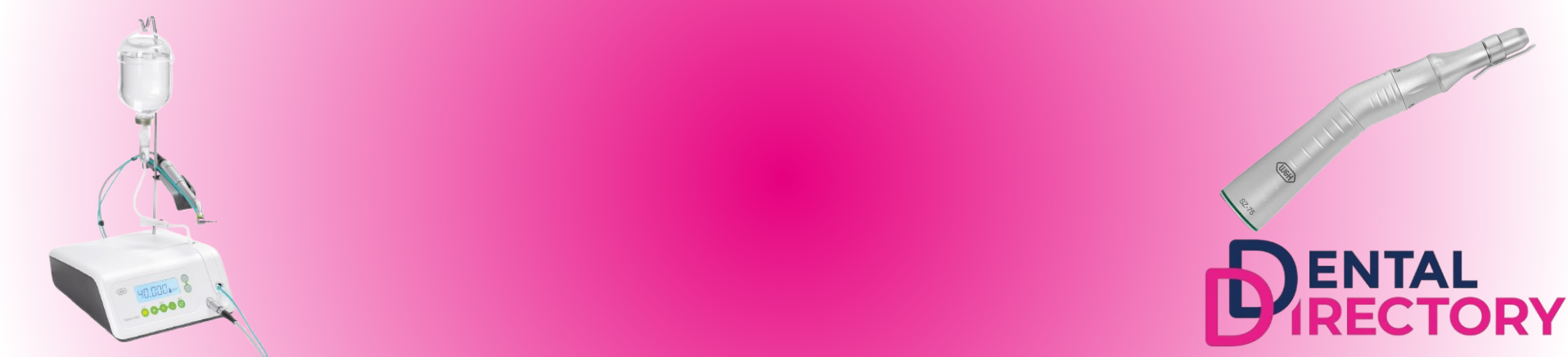
New planning tools aid implant specialists in selecting the right tools for each treatment which may include an implant motor, piezo surgery unit or specific surgical handpieces like the Zygoma handpiece from W&H.
During surgery
Modern technology has become an invaluable helping hand for professionals during implant surgery. Computer-guided surgery, in particular, has been a well-explored choice for professionals. Having the flexibility to move between a standard surgical motor and piezo surgery unit provides the Clinician with all the tools to cope with any unexpected treatment requirements. Piezo surgery units like the Piezomed have made surgical procedures that involve bone removal, block bone grafting and sinus surgery safer and more predictable with patients reporting less postoperative pain compared with traditional methods.
Computer-guided surgery has been found to reduce the chance of positioning errors when the implants are being placed,ii and might even help to reduce pain during the healing phase.iii
Other technologies have been created to aid professionals in implant surgery by helping them to achieve optimum implant stability. Implant stability has been identified as a key part of effective osseointegration, making it vital for successful implant treatment.iv With the Osstell Beacon, measurement and evaluation of the implant stability and osseointegration can be monitored non-invasively.
The Implantmed surgical unit from W&H offers a flexible modular solution designed to streamline the implant procedure. Featuring an automatic thread cutter function and automatic torque control, Implantmed has the option to integrate a Piezomed module for a complete all-in-one treatment solution. The New Implantmed Plus II ScanEdition further offers an integrated scan function, eradicating time-consuming manual documentation of materials and the implants used. In addition, the W&H Surgical Solution provides the ability to measure the stability of implants during placement using the Osstell Beacon, a fast, accurate, non-invasive and simple way to acheive quantifiable data, without jeopardising osseointegration or the healing process. This helps to ensure that the best possible primary stability is achieved giving excellent outcomes for even the most difficult cases.
Embrace the revolution
Although traditional methods are still effective, it makes sense to look toward the future. Technology is continually evolving, by choosing innovative solutions which allow the implementation of these advanced systems into the practice, it follows that Clinicians can provide a quicker, more accurate and more patient friendly implant service.
To find out more visit www.wh.com/en_uk, call 01727 874990 or email office.uk@wh.com
i Yuzbasioglu, E., Kurt, H., Turunc, R., Bilir, H. Comparison of Digital and Conventional Impression Techniques: Evaluation of Patients’ Perception, Treatment Comfort, Effectiveness and Clinical Outcomes. BMC Oral Health. 2014; 14: 10.
ii Arisan, V., Karabuda, C., Mumcu, E., Özdemir, T. Implant Positioning Errors in Freehand and Computer-aided Placement Methods: A Single-blind Clinical Comparative Study. Int J Oral Maxillofac Implants. 2013; 28(1): 190-204.
iii Nkenke, E., Eitner, S., Radespiel-Tröger, M., Vairaktaris, E., Neukam, F., Fenner, M. Patient-centred Outcomes Comparing Transmucosal Implant Placement with an Open Approach in the Maxilla: a Prospective, Non-randomized Pilot Study. Clin Oral Implants Res. 2007; 18: 809–814.
iv Javed, F., Ahmed, H., Crespi, R., Romanos, G. Role of Primary Stability for Successful Osseointegration of Dental Implants: Factors of Influence and Evaluation. Interv Med Appl Sci. 2013; 5(4): 162–167.