Fluoride treatments are a popular and effective solution that aid patients with their oral health. Whilst patients may be exposed to fluoride from everyday toothpastes and drinking water, extra support may be required to combat difficulties such as caries risk.
Today, fluoride therapy is used to prevent and arrest caries; its properties inhibit enamel demineralisation, and enhance remineralisation, helping to reverse the signs of early carious lesions.[i] For professionals looking to provide the highest level of care to their patients, it's important to assess the properties of their chosen fluoride solution. Whilst each will have the same aim, no two treatments are the same, and may differ in efficacy.
Understanding the factors behind a successful fluoride application allows professionals to choose an ideal solution for their patients’ needs, improving treatment outcomes and increasing patient engagement with future care.
Soluble solutions
Fluoride varnishes are recommended for children, with results showing a 43% reduction in decayed, missing and filled tooth surfaces in the permanent dentition when compared to those that didn’t undergo such care, and a 37% reduction in the primary dentition.[ii] An effective solution will help patients achieve such effects when it has an adequate concentration of the mineral and high solubility to increase fluoride intake.
The chemical formulation of a professional fluoride product will change how it interacts with the tooth structure. ‘Whole varnishes’ will be made up of soluble and insoluble fluoride, and soluble mineral will be found alone in ‘centrifuged’ solutions.[iii] The reaction of the varnish with the enamel, in the short term, is dependent on its soluble fluoride concentration.[iv] Solutions focused on increasing this aspect will be able to deliver higher quantities of the mineral directly to the enamel surface, forming fluoride calcium-like reservoirs on the enamel. Insoluble fluoride will aid oral health in the longer term due to the delayed release of the mineral, enabling continuous exposure over time.
Finding the solution that is most appropriate for your patients requires time to understand the items currently available. Innovative options may be able to increase the solubility of fluoride thanks to a unique formulation, ensuring patients have a higher intake in a shorter time period; the result not only maximises the amount of fluoride taken in by patients during their care, but may also be able to reduce treatment times whilst maintaining the same or increased level of fluoride absorption.
Helping patient and practitioner
Alongside the efficacy of the fluoride solution itself, there are many aspects of an item to consider before choosing to include it in professional oral hygiene routines. This may include the ease of application of the material. Fluoride varnish application is typically a task that can be performed by many members of the dental team when given the correct training; this includes dentists, as well as dental therapists and hygienists, and dental nurses. Note that the prescription of a dentist is still required, but this team approach has been recognised as having the potential to assist and promote preventative care.[v]
A simple application mechanism should make the process intuitive for the professional and comfortable for the patient. Look out for application systems designed with this in mind, further improving the experience within the appointment.
In a similar way, the taste of a fluoride varnish may be pivotal in the success of treatment. Studies show that when children are given a choice of flavours for fluoride treatment, there is an increased chance for positive behaviour throughout the delivery of care.[vi] This is due to the heightened sense of control given to the patient, which may also improve a child’s attitude toward the application in future.
Finding effective solutions
It’s important to balance clinical findings with one’s own experience in the practice when compiling criteria for an ideal addition to professional oral hygiene techniques. A chosen fluoride treatment should be both clinically effective, and beneficial to other aspects of the dental appointment.
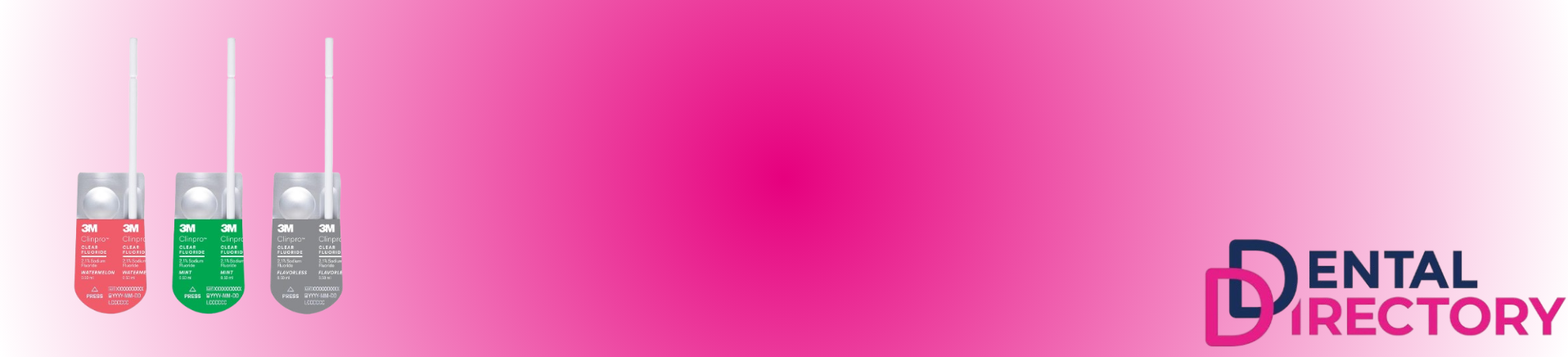
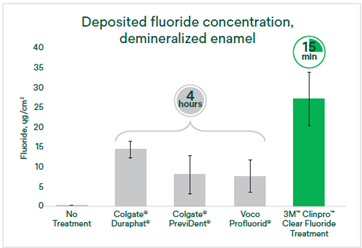
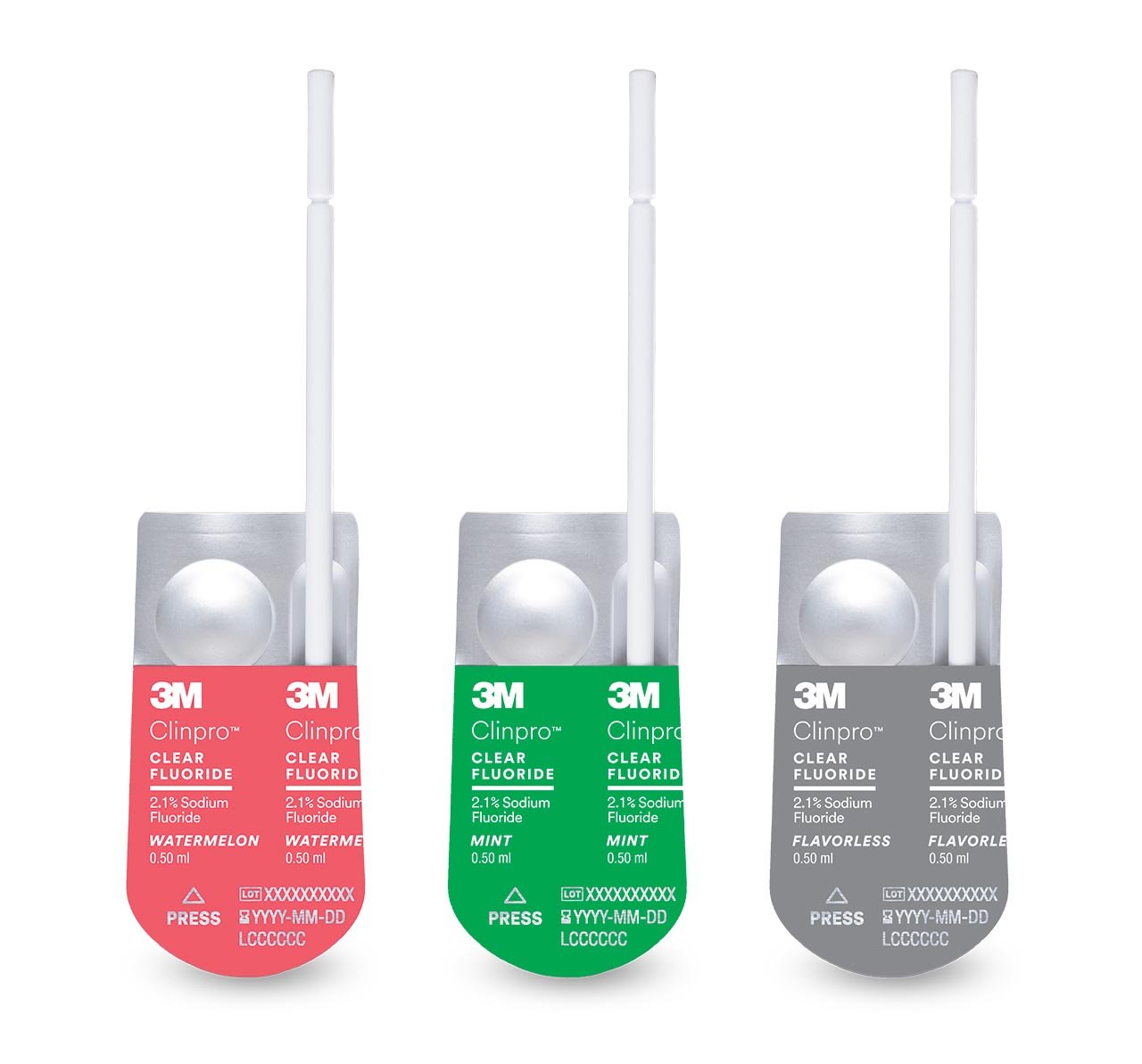
This is possible with the 3M™ Clinpro™ Clear Fluoride Treatment from Solventum, formerly 3M Health Care. The solution is proven to have a greater quantity of fluoride available to the tooth when compared with rosin-based varnishes, enabling similar or better performance during a 15-minute application in comparison to rosin-based solutions with longer application periods.[vii] This streamlines appointments, and makes it easier for patients to say “yes”. A unique press and go L-Pop™ single dose delivery system improves the professional experience, with the varnish also having a smooth application across the dentition – and three unique flavours, for improved choice amongst patients.
Reviewing the solutions used in the dental practice is vital, and allows for improvements to the clinical inventory. Understanding the importance of fluoride solubility, and aspects such as ease of application and enjoyable taste is vital to choose an all-round effective solution.
Shop Solventum with Dental Directory
About Solventum
Solventum, enabling better, smarter, safer healthcare to improve lives. As a new company with a long legacy of creating breakthrough solutions for our customers’ toughest challenges, we pioneer game-changing innovations at the intersection of health, material and data science that change patients' lives for the better while enabling healthcare professionals to perform at their best. Because people, and their wellbeing, are at the heart of every scientific advancement we pursue. We partner closely with the brightest minds in healthcare to ensure that every solution we create melds the latest technology with compassion and empathy. Because at Solventum, we never stop solving for you.
[i] Gao, S. S., Zhang, S., Mei, M. L., Lo, E. C. M., & Chu, C. H. (2016). Caries remineralisation and arresting effect in children by professionally applied fluoride treatment–a systematic review. BMC oral health, 16(1), 12.
[ii] Marinho, V. C., Worthington, H. V., Walsh, T., & Clarkson, J. E. (2013). Fluoride varnishes for preventing dental caries in children and adolescents. Cochrane Database of Systematic Reviews, (7).
[iii] Godoi, F. A. D., Carlos, N. R., Bridi, E. C., Amaral, F. L. B. D., França, F. M. G., Turssi, C. P., ... & Basting, R. T. (2019). Remineralizing effect of commercial fluoride varnishes on artificial enamel lesions. Brazilian Oral Research, 33, e044.
[iv] Godoi, F. A. D., Carlos, N. R., Bridi, E. C., Amaral, F. L. B. D., França, F. M. G., Turssi, C. P., ... & Basting, R. T. (2019). Remineralizing effect of commercial fluoride varnishes on artificial enamel lesions. Brazilian Oral Research, 33, e044.
[v] Department of Health & Social Care, NHS England, (2025). Delivering better oral health: an evidence-based toolkit for prevention, Chapter 9: fluoride. (Online) Available at: https://www.gov.uk/government/publications/delivering-better-oral-health-an-evidence-based-toolkit-for-prevention/chapter-9-fluoride [Accessed February 2026]
[vi] Karim, R., Splieth, C. H., & Schmoeckel, J. (2025). Effect of Choice of Flavor of Fluoride Varnish on Behavior in Dental Visits in Schoolchildren. Clinical and Experimental Dental Research, 11(1), e70069.
[vii] Andalo Tenuta L.M., Cabrera Cabalbo L., Yamada Yoshino E., Enamel Fluoride Reactivity of Professional Fluoride Products Is Not Correlated With Their Total Fluoride Content, Pediatric Dent. 2025;47(3):178-82
Article published by a Solventum Certified Distributor